



FEEDBACK
Speak Up and Report the Unusual
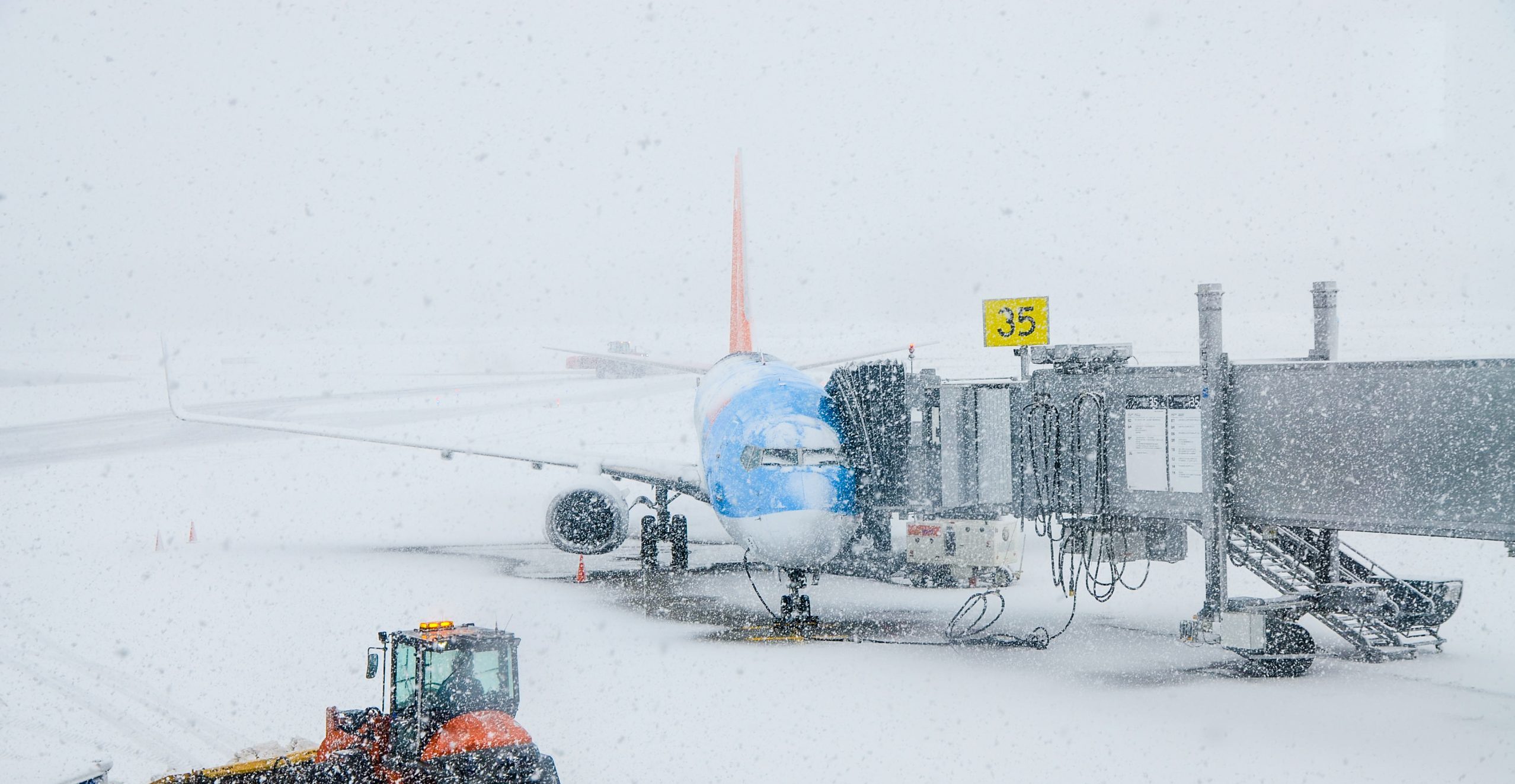
Winter operations bring unique challenges. Snow, ice, frost and unpredictable weather can make even routine flights more complex. As cabin crew, your eyes, experience and judgment are vital to keeping flights safe. If you notice anything unusual inside or outside of the aircraft, then report it. Share your observations with your colleagues, SCCM, or directly with the flight crew. Even small pieces of information can make a real difference.
CHIRP received a report in which a passenger, who was also a member of flight crew, raised concerns about de-icing via the cabin crew. The cabin crew appropriately passed these concerns to the flight crew. On this occasion, the flight landed safely. However, the Air Ontario Flight 1363 crash in 1989 serves as a stark reminder of the serious consequences that can arise when winter hazards are overlooked. It reinforces that safety is a shared responsibility, and that everyone on board has an important role in raising concerns and acting on potential risks.
Cabin crew are often the first line of defence for safety and should be aware of the ‘Dirty Dozen’ human factors. These include pressure, complacency, communication breakdowns, distraction, knowledge gaps, fatigue, stress, lack of assertiveness, poor teamwork, reduced awareness, limited resources and deviation from procedures, all of which can increase risk. Being aware of these factors and how they interact is key to maintaining safety on every flight. Trust your instincts: if something feels unusual or unsafe, speak up. Your voice, your reports and your vigilance can make a difference.
Raising unusual observations isn’t about assigning blame, it’s about maintaining safety and contributing to a learning culture. Each report submitted helps management understand potential hazards, review procedures and take proactive measures to prevent incidents. Even low-severity concerns add to the safety data available and support improvements in procedures, training and resources.
Reports form an essential part of a Safety Management System (SMS). An SMS is a structured, proactive approach to managing safety in aviation. It allows organisations to identify hazards, assess and mitigate risks and continuously improve safety performance. Submitting a report ensures that management is aware of potential risks and can take timely, informed action if necessary. Even minor observations contribute to the overall safety picture and help prevent incidents before they occur.
Some crew may hesitate to report due to fear of blame or lack of follow-up. This is why confidential systems like CHIRP are so important. A strong safety culture, based on trust and a Just Culture, ensures you can speak up safely.
Stay safe,
Jennifer Curran
Senior Programme Manager
Thank you to Nicky Smith for her contribution to CHIRP over the past 12 months. As Director Aviation, Nicky played an important role in strengthening CHIRP’s work across the aviation programmes, including Cabin Crew and in supporting the organisation’s objective of enhancing aviation safety through an independent, confidential reporting system. Nicky’s commitment and support have been greatly valued and we thank her for all she has contributed during her time with CHIRP.
The CHIRP Aviation Programme also provides a facility for confidential reporting of Bullying, Harassment, Discrimination and Victimisation (BHDV) where there is an identifiable safety-related concern. CHIRP has no specific expertise or resources to investigate BHDV reports. CHIRP’s role is to aggregate data to build a picture of the prevalence of BHDV in the aviation sector. Disidentified data and emerging trends are shared with the Civil Aviation Authority on a regular basis to help inform safety oversight. See our BHDV page on the CHIRP website for further information. CHIRP’s role in reporting Bullying, Harassment, Discrimination and Victimisation (BHDV).
What do you think? We’d love to get your views on the topics covered in FEEDBACK. We don’t claim to have all the good ideas, and we may have missed something that relates to a report so please do contact us and give us your views. You never know, your thoughts might inspire the next editorial or perhaps give us more context for when we contact organisations and companies. Please send any comments to mail@chirp.co.uk for the attention of CHIRP Cabin Crew Programme Manager and we can start a conversation.
Reporting to CHIRP is easy by using either our website portal or our App (scan the appropriate QR code shown or search for ‘CHIRP Aviation’ – ignoring the birdsong apps that may come up!). In our reporting portal you’ll be presented with a series of fields to complete, of which you fill in as much as you feel is relevant – not every field is mandatory, but the more information you can give us the better. Although you’ll need to enter your email address to get access to the portal, none of your details are shared outside CHIRP, and we have our own independent secure database and IT systems to ensure confidentiality.

Jennifer Curran
Cabin Crew Programme Manager
Contact:


 Share
Share
-
CC7062
–
FO taken ill FO taken ill
Initial Report
I am concerned that the long-haul flight was allowed to operate with only 2 flight crew rather than the standard 3. The FO was taken ill on arrival at the aircraft and got worse quite quickly. Medlink returned him to the hotel. It was first said we would return to the hotel for minimum rest, then operate with 3 flight crew the next day, then we were told we were going with only 2 flight crew. No discussions between the crew. The flight crew had spent 2 days together and an hour in the flight deck whilst the Medlink call took place. Surely this put them both at high risk of also becoming ill within hours of taking off. I did not feel comfortable with this decision.
CHIRP Comment
While commanders have the authority and responsibility to make decisions in line with regulations and operational requirements, including using commander’s discretion, such non-normal situations can understandably create anxiety for cabin crew. Operating with two pilots rather than three is permitted where procedures allow and sometimes this may involve the use of commander’s discretion in unforeseen circumstances.
Transparent communication and situational awareness are essential to maintaining safety and trust. This does not always need to involve direct discussion with the flight crew, as they are often extremely busy at this time, but the SCCM can play a key role in maintaining communication between both sides of the flight deck door.
Crew should trust that processes are in place rather than assuming the worst. In this case, communication was lacking, which can naturally lead to assumptions and unsafe distractions. Crew members also have a responsibility to ask questions if they do not feel fully informed.
-
CC7084
–
Crew fatigue, feeling pressured to operateCrew fatigue, feeling pressured to operateInitial Report
I contacted Crewing to let them know I had experienced a few tough flights and was feeling fatigued. They replied to say they could not help. The following day, at 11 PM, I contacted Crewing again to inform them that I was stranded on the side of the road, my car had broken down 70 miles from home, I had no one to pick me up, and the RAC estimated arrival around 5 AM. My duty the next day was around 10 AM, and I normally leave my house three hours before duty. This meant that if I was “rescued” at 5 AM, I would have gotten home at 6:30 AM, which I did, and then left half an hour later for my duty.
I explained this to Crewing, but the duty manager (the same person who had emailed me the day before) argued with me. They expressed reluctance to take me off the duty, made me feel as though I was lying, and effectively forced me to operate while fatigued. I felt pressured to work with no sleep, putting people’s lives at risk. Going fatigued or sick was my only option, as they had refused to accommodate a later duty or remove me from the one, I was assigned.
A few days after the incident, I emailed my manager and the team, requesting a meeting with a manager or some form of support, but I have not received a reply. The duty manager in Crewing said they “did not think I had a fatiguing roster” and insisted it was my responsibility to self-manage, even though delays and difficult flights contributed to my fatigue. They also mentioned that several flights were crew down, which made me feel guilt tripped into working when it was unsafe.
Company CommentThe SEP Manual states.
Each crewmember is responsible for ensuring that they do not perform duties on an aircraft or whilst attending training:
(1) When under the influence of psychoactive substances or alcohol; or when unfit due to injury, fatigue, medication, sickness or other similar causes.
(2) Until a reasonable time period has elapsed after deep water diving or following blood donation. (See below).
(3) If applicable medical requirements are not fulfilled.
(4) If they are in any doubt of being able to accomplish their assigned duties.
(5) If they know or suspect that they are suffering from fatigue or feel otherwise unfit, to the extent that the flight could be endangered.
Point 4 would have been applicable to the reporter. If you are not fit to operate then you should not report for duty, and the reporter has the responsibility to report for flight duties in accordance with the Ops Manual Part B (SEP Manual).
Crewing are not there to offer advice, they will record a crewmember sick or fatigued. The reporter should have contacted the crew manager available at crew check-in or by contacting the crew support team. We run a non-punitive calling fatigued policy and we train all members of crewing in the areas of fatigue that are relevant to their role so they should be fully aware of the process. If reporting Fatigued, crewing will remove the Cabin Crew member from the flight and annotate their roster with a dedicated roster code. They will also notify the relevant management team and the FRM Team. The FRM Team and respective management teams will commence a roster review process which would consider any likely contributory factors.
CAA CommentOperators have to demonstrate understanding of how fatigue could affect a crew member’s alertness and performance, how fatigue does or could occur within the working environment and the need to manage it effectively for continued safe operation.
It is also important that flight and cabin crew are actively encouraged to report fatigue related occurrences and issues relating to current and ongoing changes to the operation and operational environment. All crew members must be able to self-declare that they are fatigued and potentially unfit to fly within an open reporting and just culture principles as defined in EU 376/2014 without fear of punitive action.
CHIRP Comment
Fatigue is not always directly related to the operation itself; it can also arise from factors such as a noisy hotel room or a poorly child at home.
The CAA define fatigue as – ‘A physiological state of reduced mental or physical performance capability resulting from sleep loss, extended wakefulness, circadian phase, and/or workload (mental and/or physical activity) that can impair a person’s alertness and ability to perform safety-related operational duties (ICAO).
Fatigue can also be mental or emotional in cases where there is significant emotional or mental strain on an individual.’ Fatigue Management | UK Civil Aviation Authority
This report highlights the challenges that can arise when a crew member is experiencing fatigue due to both operational and personal circumstances. Some factors leading to a lack of rest are beyond the control of the individual, but equally, crew have a responsibility to set the conditions for success with appropriate rest. In situations where a crew member has not rested in an appropriate environment (such as in a car in this report), they should feel able to contact the operator and advise that they are unrested/unfit.
While crew members are responsible for self-assessing their fitness for duty and communication when they are unrested/unfit, operators also have a responsibility to recognise and respond appropriately. Duty swaps should not be expected, nor used as a tool to mitigate fatigue. Operators should focus on supporting crew in these situations, helping them manage and recover so they can perform their duties safely and effectively.
CHIRP strongly encourages crew to report situations where fatigue may affect their ability to operate. These reports are essential in helping operators understand the realities of crew wellbeing, identify potential risks and maintain a positive safety culture. A supportive, non-punitive environment ensures crew can declare fatigue without fear, which in turn contributes to safer operations for everyone.
-
CC7118/CC7119
–
Flight deck window – defect ignoredFlight deck window – defect ignoredInitial Report
CC7118 Defect to aircraft ignored
The Commander’s flight deck window was unserviceable and would not open correctly, the Commander cut their elbow trying to force open. My operator sent a new Commander who was stronger and would accept the aircraft. Engineering acknowledged it does not operate correctly. I don’t feel that is the right or safest attitude to have when something so important is clearly not working correctly.
CC7119 Flight deck window safety
One Captain couldn’t open the flight deck window and hurt and cut their elbow. My operator ignored this and didn’t change aircraft or cancel flight but instead sent another Captain who could open it but clearly the window isn’t entirely safe as it’s a struggle to open. Engineering even wrote down it was unserviceable.
Company CommentFor this report, and in any instance where equipment is inoperative, the correct procedure was followed, and engineering were contacted. The sliding window, although stiffer than usual to operate, could be opened and the aircraft operated safety.
However, it’s important to reaffirm that our operational processes do not involve assigning or selecting crew members based on perceived physical strength. This is neither a measurable nor appropriate principle in a professional environment. Describing colleagues in such terms would be both inaccurate and inconsistent with our values. All crew members must be treated with dignity and respect.
CAA CommentThe commander has the authority to decide if they will accept an aircraft. With unserviceable equipment, they must decide this based on the information within the configuration deviation list (CDL) or the minimum equipment list (MEL). Any unrectified defects should be discussed during the pre-flight briefing and the decision to accept these would be made on the commander’s authority CAT.GEN.MPA.105 (11) If a cabin crew is unsure or has a concern about any unserviceable equipment, they should discuss this with the flight crew.
CHIRP Comment
These reports highlight the importance of understanding how unserviceable equipment is managed and the role of the flight crew in making safety decisions. The Minimum Equipment List (MEL) is a document that allows an aircraft to operate safely even when certain systems or functions are inoperative. It specifies which defects are allowable, under what conditions and for how long. The MEL is aircraft-type specific and approved by the Competent Authority to ensure compliance with airworthiness requirements.
Cabin crew play a key role in this process by reporting defective or used equipment to the captain, whether during pre-flight checks or during flight operations, as this may affect MEL compliance. The decision to accept the aircraft ultimately rests with the commander, based on the MEL and a safety assessment and any unrectified defects should be discussed during the pre-flight briefing.
In this case, if the window was recorded only as stiff or difficult to operate, rather than formally unserviceable, it is at the captain’s discretion whether they are comfortable operating the aircraft, assuming MEL limitations are met. Cabin crew who have concerns about unserviceable or difficult-to-operate equipment should feel empowered to raise them with the flight crew before departure.
Open communication between cabin and flight crew is essential for safe operations. If something isn’t clear, don’t hesitate to ask questions on the day. Cabin crew should have confidence that flight crew will not accept or operate an aircraft that fails to meet the MEL requirements.
-
FC5474 (C)
–
Treatment of Cabin Crew and the pressures exerted upon themTreatment of Cabin Crew and the pressures exerted upon themInitial Report
As a Captain I have grown increasingly concerned over treatment of cabin crew by their line managers and am quite sure that some crew are operating when unfit for duty, either unwell, fatigued or distressed because they fear the consequences of ‘doing the right thing’ may have on their prospects of promotion or continued employment. Indeed, I know cabin crew management use a system to judge the worthiness of candidates for being asked back the following season or for more permanent contracts.
I have witnessed that by the lottery of staff parking, that crew are arriving to staff car parks over an hour before report time, to ensure they arrive at the crew room on time. Sporadic, unreliable staff buses and unpredictable staff security waiting times are the main causes. These issues will only be further compounded as staff from more airlines are set to use our car park. I’m concerned that the company is not making any allowances for the long transfers from car park to crew room which can be way in excess of the 90-minute total commute time the FTLs assume.
Those who are late, by even a minute, are then subjected to late reports and discussions from SCCMs, at the insistence of cabin crew management. These discussions can cause great distress to crew members, who then spend the following duty fearing repercussions instead of focussing on their safety critical roles. I believe that late reports are detractors in the system used to determine ‘ask-backs’. The same applies to crew’s willingness to report unfit, fatigued or sick. I feel that intimidation is overruling their duty not to operate when unfit to do so.
I accept that some lateness is avoidable and those or repeated instances should be investigated. But this should be done after a duty and never upon report. I have heard anecdotal evidence of more junior crew being so upset following these discussions that they have been in tears during the duty. We would probably all agree that an individual in such a state should be stood down. It should be noted that the same principle applies to crew arriving for airport standby, who could potentially be on duty for 16 hours. Such long periods of wakefulness cannot be conducive to safe operation. I care strongly that FTL protections are being eroded by airports and companies passing responsibility on to crew, especially since airside crew rooms are now the norm; then the lack of support from Management which has led to a strong sense of distrust. As Commanders, since Cabin Crew report times are usually earlier than Pilot report times; crews have often already left the crew room for the aircraft by the time Pilots report, we have no idea that we could be delegating safety-critical roles to unfit persons.
Company CommentBase teams do use discretion wherever necessary, including in cases of infrastructure disruption, and this has been taken into account previously. We do have a system for contracts, which exists to ensure fairness both to individuals and to their colleagues. This system provides a clear and consistent structure so that we can measure performance objectively and select the right candidates for permanent roles, while remaining fair to those they are competing against.
Following recent feedback, we have reviewed this process and removed absence levels from the scoring system. It is important to stress that this framework is not used as a form of punishment for colleagues who take fatigue-related absences or who experience lateness. Rather, it is also designed to protect those who have consistently met the criteria throughout the season.
Lateness is taken into account to support all colleagues and to ensure fairness to those who have made it to work on time. Without clear measures in place, there is a risk that permanent crew could be placed under additional pressure if colleagues were awarded permanent contracts without meeting the expected standards, potentially resulting in others having to cover flights due to frequent lateness or performance issues.
That said, base teams use discretion. For example, when infrastructure issues or car park transport problems affect a wider group, teams may choose not to issue late reports, understanding the broader context. In this case, however, a late report form is issued solely for monitoring and feedback to the airport authority, aiming to minimise disruption. Conversations with crew should focus on this purpose and make it clear that, although a report has been issued, this reason will not impact the scoring process.
All fatigue absences are reported directly to the fatigue team. Non-roster-related absences are shared with base teams, for welfare purposes and to allow for support from a team that the colleague is more familiar with. These meetings are intended to understand any underlying issues and to identify whether additional support may be required.
It would be wrong for the business not to have a structure in place, and each situation is considered on a case by case basis. We take the welfare of our crew very seriously and remain committed to supporting colleagues wherever necessary.
The Fatigue Safety Team monitors multiple factors contributing to fatigue, including airport infrastructure and crew commute times. When commute is cited in a fatigue report, we collect if the crew reported it exceeded the regulated 90-minute limit.
The main theme: crew report needing to arrive early due to transfer time from staff car park to crew room via staff buses. Each case where this specific issue was raised, it was addressed individually through manager discussions and written feedback.
Although not always formally reported, we recognise that bases requiring third-party bus transfers can contribute to fatigue and create feelings of unfairness. Fatigue management is a shared responsibility, and we remain committed to supporting crew.
This issue is being discussed industry-wide at the Flight Operations Liaison Group (FOLG) fatigue subsection and internally at the Fatigue Safety Action Group (FSAG) for ongoing monitoring, particularly at bases with car park bus transfers.
Ultimately, the 90 minute commute allowance covers the entire journey from home to work. If crew cannot meet this, temporary accommodation closer to base should be considered. Contracts specify living within 90 minutes (or less subject to contract date), and regulations clearly define responsibility.
CAA CommentCabin crew have a responsibility to ensure they do not operate when unfit and it is a regulatory requirement that crew members shall not perform duties on an aircraft when unfit due to fatigue, sickness or other similar causes. Most operators have a sickness policy to monitor crew welfare, however the policy should not be in contradiction to a just culture or encourage cabin crew members to report for a duty when unfit to operate.
The reporter has noted a number of issues such as staff parking and clearing security that may be a contributing factor to fatigue in crew members. It is important to report these concerns through the operator’s reporting system, which ensures the operator receives the feedback in the appropriate manner, allowing for an investigation and the introduction of any necessary mitigations.
CHIRP Comment
The report raises concerns about the treatment of cabin crew and the pressures they experience in the workplace. Some crew may feel unable to report being unfit, fatigued or unwell due to perceived repercussions for career progression, assessments or future employment opportunities. Such a culture can compromise safety if crew continue to operate while unfit for duty.
Operational challenges, including long commutes from staff car parks, unreliable transport and early report times, can further contribute to fatigue and stress. Addressing lateness or fitness issues at report time, rather than after duty, may cause distress and reduce crew capacity to focus on safety-critical roles. Over time, these factors can erode trust in management and weaken the protections intended to support crew wellbeing.
The operational need for crew to report on time is recognised; however, the way in which lateness is managed and communicated is equally important, particularly during periods of disruption.
CHIRP has received similar reports in the past reflecting these concerns, suggesting that the issues may be ongoing and affecting multiple crew members from multiple operators. Ensuring that crew feel able to report fatigue, illness or unfitness without fear of reprisal is essential to maintaining a just culture, where safety concerns can be raised openly and addressed constructively.
-
CC7172
–
Unsafe flight deck-controlled restUnsafe flight deck-controlled restInitial Report
On a recent long-haul flight the captain informed me they were taking controlled rest, right after take-off. Several hours later I needed access to the flight deck to obtain the iPad. The captain told me this was going to be a little awkward, as the first officer was asleep on the flight deck floor. On gaining access to the flight deck, the door was partially opened and the iPad was handed to me, by whom I don’t know.
Company CommentSitting or lying on the floor during a flight presents an increased risk of injury, particularly in the event of unexpected turbulence or a decompression. The only safe and approved way to sit or rest is in a designated rest seat or a lay-flat Class 1 bed, with a seatbelt securely fastened.
The situation described in the report does not reflect an approved practice. As part of our safety culture, it’s important that we continue to report and review such events. This allows us to understand the context, consider the individual’s reasoning, and ensure the right learning outcomes are taken forward.
We’ve spoken with our Flight Operations team, and they confirmed that resting on the floor in the flight deck is not permitted. This applies equally to cabin crew and passengers, all individuals must be seated in an approved position with a seatbelt fitted.
There are rare and exceptional circumstances, such as a medical emergency, where someone may end up on the floor. Outside of such situations, however, the floor must not be used for sitting or resting.
CAA CommentControlled rest is an important way in which to mitigate against unexpected fatigue, it is important that controlled rest is taken in a way that would not affect flight safety, the rest should be taken at the crew member’s station, and the restraint device should be used. In this circumstance if the aircraft were to encounter unexpected turbulence the pilot would be unsecured which has the potential to cause injury.
CHIRP Comment
Controlled rest (CR) on the flight deck is an established and effective method for mitigating fatigue in flight crews. Sometimes referred to as ‘in-seat napping,’ CR allows pilots to take short periods of rest while temporarily relieved of operational duties, in accordance with company procedures and UK regulations. In accordance with CAT.OP.MPA.210 Crew members at stations CR must be conducted safely, typically in an approved seat with the restraint device fastened and with clear communication of rest duration and intervals with cabin crew. It is not acceptable for a pilot to sleep on the flight deck floor. Doing so not only creates a risk of injury during turbulence or unexpected events but also impedes access to the flight deck if cabin crew need to intervene in an emergency.
The reporter also expressed concern about potential repercussions from raising this issue, which highlights the importance of maintaining a just culture where safety-related reporting is encouraged and supported. One of the reasons CHIRP exists is to capture this type of report that might otherwise go unreported.
Regarding sleeping during flight, according to NASA, the optimum time for an in-seat nap is 22 minutes, giving crew a short, effective rest period that can significantly improve alertness. Planning CR appropriately, with safe restraint and clear communication, ensures that fatigue is mitigated without introducing additional safety risks. Cabin and flight crew should be aware of and adhere to these principles to maintain operational safety at all times.
-
CC7186
–
Unacceptable attitude of senior management in communications towards operational crewUnacceptable attitude of senior management in communications towards operational crewInitial Report
At my airline, morale is at rock bottom, thanks to serious concerns at operational safety standards, several incidents involving the aircraft, constant technical issues, cancellations and delays. Also understaffing, fatiguing rosters and poor HR conditions. This has been ongoing for in excess of a year and is wearing everyone’s patience extremely thin. The company displays a total indifference to addressing most of these issues, and dislikes criticism of any kind. Moreover, our daily life in the airline is taken up with constant emails from senior management, often several in one day, pointing out shortcomings, observations, disappointments and failures. None more so than one this week which I have taken the liberty of copying and pasting here (names removed). This email highlights beautifully how a company can be alienated from its workforce, despite holding that same company together.
This email, from a senior Manager has incensed many of us. Pre-existing problems at my airline are numerous, and deep- seated. This message has served only to underline how concerned we should really be at the fractured relationship we have with our management.
I have zero confidence in anything changing at my company. They talk a lot ‘at’ us, but do not like to hear constructive feedback. They bury their heads in the sand and deny that there are issues to be addressed. This is what undermines safety. Safety, or rather the lack of it, is foremost in our minds. The inference that we are harming safety by discussing issues is misguided, in my opinion and the suggestion that silencing us in the only situations we are in each other’s company, i.e. the crew room and on board the aircraft, displays a naivety of judgement. Collectively, we are appalled at how our company functions and the how it sees itself functioning in relation to the operating crew. It seems to be a self-serving hierarchy of out-of-touch and out-of-their-depth managers, sadly.
Company CommentThe Communication issued by our colleague was in response to concerns raised by many other colleagues. We had received reports that negative engagement – by a very small number – was creating a distraction during pre-flight preparation / briefings; with the potential for diminishing the focus on safe operations. The Communication was issued as ion was to encourage issues to be raised in an appropriate manner, at appropriate times and such that no adverse effect was had upon their colleagues’ ability to undertake duties in a safe manner.
Our colleagues play a vital role in safety, security and compliance and, we encourage – regularly – reporting through the various available channels (including confidential and, as occasionally has been the case, by telephone to a member of the Safety Team). We have very strict procedures in place to guarantee confidentiality. Every non-confidential (i.e. open) report is reviewed by the entire management team (i.e. including the Accountable Manager), classified and actions raised / assigned accordingly. We place considerable emphasis upon the provision of feedback, on both individual events and on the collective use to which certain reports have been put.
All reporting options are set out in our Management System Manual and are included in both initial and recurrent training for all employees. We publicise the CHIRP newsletters and, moreover, have written permission to re-use – internally – any of the material published therein. Finally, we promote the option of the CAA’s various confidential reporting options (available to all personnel) and, cooperate both fully and openly if and when such reporting channels are used.
We are passionately committed to providing a safe working environment for all.
CAA CommentEffective communication and safety promotion are seen as important factors in maintaining crew engagement and driving continuous safety improvement. The aviation safety regulations require operators to establish voluntary and mandatory occurrence reporting systems, as well as reactive and proactive schemes for hazard identification. These provide the formal means of collecting, recording, analysing, acting on and generating feedback about hazards and the associated risks, and are therefore the preferred methods for crew members to provide feedback. There are many means of collecting feedback from crew members (e.g. informal meetings, safety studies and safety surveys) but whichever method is used, it is critical that operators adopt a just culture to encourage individuals to contribute openly and report safety-related information.
CHIRP Comment
This report highlights how staff morale, communication and management practices directly impact safety. Operational pressures, staffing shortages, fatigue and technical issues can create stress and affect performance. Safety depends not only on individual actions but also on the environment in which crew operate.
If crew are raising legitimate safety concerns, the company must listen. Keep reporting, your observations help management understand the full picture, take action and improve safety systems. A strong reporting culture, based on trust and a just culture, ensures crew can speak up without fear.
The “mission bubble” principle is also key: once on duty, crew must set distractions aside and focus on operating safely. Both sides share responsibility—management must respond to feedback and crew must maintain focus whilst operating. Crew should be mindful that a negative outlook at the start of duty can affect team dynamics, communication and morale. Setting a constructive and professional tone helps promote effective teamwork, encourages open and safe discussions and contributes to a positive environment both in the crew room and during flight operations.
Operators that encourage open communication, address issues proactively and value feedback help build trust and reinforce safety. Crew discussions about policies or operational challenges are not “negative chatter”; they support learning and high safety standards.
-
CC7577
–
Electrical burning smell in cabinElectrical burning smell in cabinInitial Report
On the flight back from {airport A} to {airport B}, an electrical burning smell was noticed in the cabin. I was acting as SCCM at the time, as the SCCM was on rest. I am fully trained as SCCM. The situation was treated as a smoke/fire/fumes incident and procedures were followed; electrics were isolated. We landed from the flight. Engineering dismissed the concern, and the issue had not been rectified.
The flight later departed to {airport B}, and the same issue occurred. Engineering at {airport B} attributed it to plastic in the oven. This was not the case, as the ovens had not operated for multiple hours at the time of the incident.
I feel the company is not treating this seriously. This incident has happened before and could cause a fire of unknown origin. I suspect a short in the internal wiring.
Company CommentAs an organisation we do understand the seriousness of odour/fume/smoke events, and this is directed into the Engineering department too. The Engineering department has a detailed and well documented process for all of these events, with senior managers reviewing each event and trends weekly. This is documented in the weekly safety meeting. The information presented includes the number of events, sectors with events per day and registration, longer term trends by week, and the details for each event that week including the odour type (e.g. exhaust/chemical), whether rain/de-icing could have played a part, and what action was taken. The maintenance teams have dedicated work packages to action to ensure each incident is investigated, documented and corrected. These processes are being continuously improved to ensure that a safe and reliable aircraft is presented each sector.
In the case cited, following the first sector, a contracted maintenance organisation looked into the reported defect. While the issue did not appear to be resolved while the SCCM was present, the technical log shows that the component identified was changed prior to the next sector as a precaution, although no fumes or electrical smells could be reproduced prior to, or after the component change. It has been noted in the technical log that a brighter LED within the unit has led to reports prior to this event of the units ‘glowing red hot’.
The next sector included a crew report of a mild intensity, acrid odour. The rear galley power was turned off during the flight. On arrival, oven 3 was identified as having a black plastic burn mark and was deactivated (ADD – Allowable Deferred Defect raised) for replacement at main base. The technical log includes pictures of the plastic burn mark. The oven was replaced the next day at main base and no further odour/fume/smoke events were identified.
CAA CommentAll airlines must have a process for reporting defects and it is important that the cabin crew feel confident in how to report defects using the operators defect reporting process.
When reporting defects that are not visible, such as smells, a clear description of where you think the smell originates from and the type of smell is extremely important.
It is a requirement before each flight for the commander to decide whether to accept an aircraft with unserviceabilities. When a crew member has concerns about an aircraft’s serviceability, they should communicate this to the commander, the commander can review any actions taken as detailed in the tech log.
The company’s safety reporting system is an additional tool to raise awareness of concerns.
CHIRP Comment
It is essential that crew feel confident to speak up when they have safety concerns and to continue to do so if they believe those concerns have not been fully addressed.
However, from a crew perspective, the continued presence of an acrid or electrical smell across sectors is understandably concerning, particularly when the source is unclear or when previous reassurance has not resolved the issue. These concerns must be communicated to the SCCM / flight crew.
Repeated or unexplained odours can undermine crew confidence and raise doubt about whether a potential fire risk has been fully eliminated. While technical investigations may not always immediately identify a fault, crew rely on clear feedback and visible action to feel assured that their concerns have been taken seriously.
All of our aircraft are approved to operate with a minimum of 2 pilots. The addition of a 3rd pilot on certain routes/aircraft types is for FTL compliance. This flight would likely have operated on a get-home basis with a plan in place after discussion with the OCC, potentially a medical representative and both operating pilots in agreement on factors such as break duration and if any discretion was required.
This report is an example of where effective communication between Flight Crew/OCC and Cabin Crew is essential to ensure that Cabin Crew have all the facts and are reassured during IROP events. Cabin Crew should feel confident and empowered to express any safety concerns with their SCCM and/or Flight Crew before or during the flight if required.
The commander may elect to operate a flight with minimum crew provided the operator has established procedures for this. Communication is essential during flight operations to maintain a safe and effective working environment, in this instance better communication may have helped to alleviate the crew member’s concerns.