
An independent and confidential
reporting system for the Aviation industry

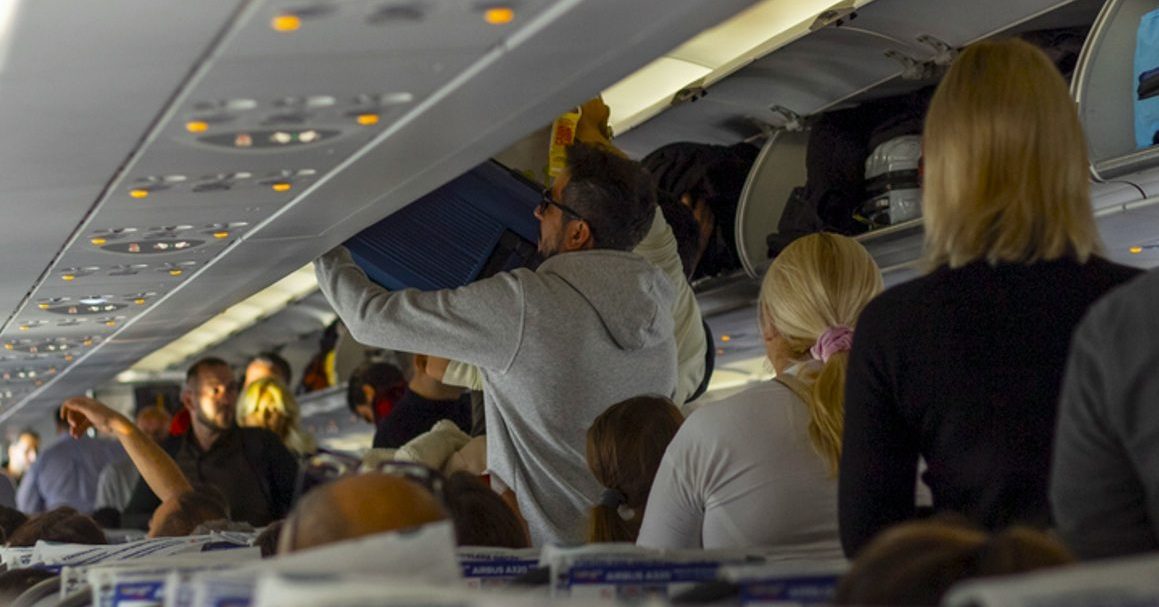
Human Factors and the Reality of Operations
Contents
- Editorial
- CHIRP appoints new Director Aviation
- Bullying, Harassment, Discrimination and Victimisation (BHDV)
- Report to CHIRP!
- Feedback on FEEDBACK
- CC7524 - Aircraft pushed back and taxiing with pax stood in aisles and bags blocking exits
- CC7094 - Potential fatigue – Discretion
- CC7408 - Demo carried out with customer in toilet
- CC7369 - Jump Seats
- CC7513 - Rostering
- CC7555 - Part time days off used to combat fatigue

Jennifer Curran
Cabin Crew Programme Manager
Fatigue continues to be one of the most frequently reported concerns to CHIRP and features throughout the reports in this edition. A number of the reports highlight its impact on cabin crew, with duties that remain within regulatory limits still leaving crew feeling physically and mentally depleted. Long delays, disrupted rest, environmental factors and demanding passenger interactions all contribute to a level of fatigue that may not always be visible on paper, but is very real in the cabin.
This is not unique to the reports in this issue. Members of the CHIRP Cabin Crew team recently attended the 3rd EASA Fatigue Conference, where many of the same challenges were discussed at a broader industry level. Themes of cumulative fatigue, operational pressure and the gap between what is permissible and what is manageable were consistently highlighted. These themes are also reflected in the latest edition of EASA’s Conversation Aviation, which explores similar issues across the industry. This reinforces that reports to CHIRP are not isolated issues, but part of a wider operational picture.
Alongside fatigue sits a recurring thread around pressure — not always explicit but often felt. Whether it is extending a duty through discretion, hesitating to report fatigue, or navigating group dynamics when decisions are discussed openly, many crew describe situations where speaking up does not feel straightforward. This is where assertiveness, clear communication and effective teamwork become critical.
A number of reports also highlight the tension between operational demands and safety fundamentals. From safety demonstrations conducted before all passengers are ready, to boarding and pushback taking place in less-than-ideal conditions, these examples underline how quickly priorities can shift when time pressure builds. In some cases, the focus on maintaining service standards or minimising a delay can begin to compete with the cabin crew’s core safety responsibilities.
What links all of these reports is not a single decision or event, but a broader picture of how human factors and operational momentum interact. None of these issues exist in isolation and when they begin to align, the ‘Swiss cheese holes’ can come together, reducing safety margins and increasing risk.
Crew are encouraged to continue reporting fatigue and safety concerns through their company systems, and to CHIRP if they feel unable to raise concerns internally. A duty being ‘legal’ does not necessarily mean it is not fatiguing and CHIRP often hears from reporters that concerns go unreported for this reason. Safety reports are essential in building an accurate understanding of day-to-day operations and identifying where improvements can be made.
Equally, operators must ensure that reporting processes are trusted, accessible and clearly seen as supportive rather than punitive. Effective fatigue risk management depends on honest input from individuals and that can only happen when people feel able to report without concern.
Fatigue is personal and the point at which it affects performance will differ for each individual. Recognising this, making full use of available resources and maintaining strong communication, teamwork and awareness are all fundamental to safe operations. These human factors are not separate issues, but part of the same system — one that depends on individuals feeling able to speak up and on organisations being ready to listen.
Stay safe,
Jennifer Curran
Cabin Crew Programme Manager
CHIRP appoints new Director Aviation
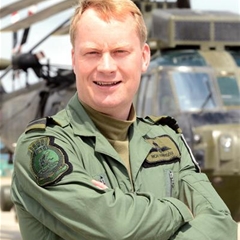
CHIRP is pleased to announce the appointment of Richard Harrison as its new Director Aviation. Rich has joined the CHIRP Aviation team fresh from a full aviation career as a pilot in the Royal Navy’s Fleet Air Arm.
In the later stages of his naval career Rich specialised in aviation safety and led the management and oversight of the Air Safety Management System for the Fleet Air Arm (2020-2022) and then undertook a similar role for the Joint Aviation Command (JAC), Defence’s HQ for UK Battlefield helicopters and drones, between 2022-2026. In this last position Rich and his safety team interacted routinely with the UKFSC, UKAB and CAA on various safety matters. He also managed military aviation safety reporting systems (both open and confidential reporting) and Human Factors safety training for Army, RAF and Navy personnel.
Find out more about Rich and his team here: Meet the Team
Bullying, Harassment, Discrimination and Victimisation (BHDV)
The CHIRP Aviation Programme also provides a facility for confidential reporting of Bullying, Harassment, Discrimination and Victimisation (BHDV) where there is an identifiable safety-related concern. CHIRP has no specific expertise or resources to investigate BHDV reports. CHIRP’s role is to aggregate data to build a picture of the prevalence of BHDV in the aviation sector. Disidentified data and emerging trends are shared with the Civil Aviation Authority on a regular basis to help inform safety oversight. See our BHDV page on the CHIRP website for further information. CHIRP’s role in reporting Bullying, Harassment, Discrimination and Victimisation (BHDV).
Report to CHIRP!
Reporting to CHIRP is easy by using either our website portal or our App (scan the appropriate QR code shown or search for ‘CHIRP Aviation’ – ignoring the birdsong apps that may come up!). In our reporting portal you’ll be presented with a series of fields to complete, of which you fill in as much as you feel is relevant – not every field is mandatory, but the more information you can give us the better. Although you’ll need to enter your email address to get access to the portal, none of your details are shared outside CHIRP, and we have our own independent secure database and IT systems to ensure confidentiality.

Feedback on FEEDBACK
What do you think? We’d love to get your views on the topics covered in FEEDBACK. We don’t claim to have all the good ideas, and we may have missed something that relates to a report so please do contact us and give us your views. You never know, your thoughts might inspire the next editorial or perhaps give us more context for when we contact organisations and companies. Please send any comments to mail@chirp.co.uk for the attention of CHIRP Cabin Crew Programme Manager and we can start a conversation.
Reports
CC7524 - Aircraft pushed back and taxiing with pax stood in aisles and bags blocking exits
Initial Report
During boarding, excess hand luggage was allowed on board by ground staff. (In the economy cabin, extra seats have been installed; however, no extra space for hand luggage has been provided.) The aircraft was departing slightly late, and ground staff rushed the senior cabin crew member to close the door and push back as soon as possible.
With around 10 passengers and their luggage standing in the left-hand aisle, the aircraft began to push back. The senior cabin crew member called for the doors to be armed and cross-checked, despite being able to see that passengers were standing in the aisle, blocking access to doors 4 for the cabin crew. The passengers blocking the aisle prevented the crew at doors 4 from arming their doors in time for the call from the senior cabin crew member.
When they could finally communicate that doors 4 were armed, the senior cabin crew member was informed by a cabin crew member that there was not enough space for baggage and that crew were struggling to move bags around to accommodate all luggage. Despite this, the senior cabin crew member immediately initiated the safety demonstration, to the incredulity of all cabin crew in the economy cabin.
It was not until almost the end of the demonstration that all bags were accommodated. As a result, indications of low-level lighting and the location of the doors were not pointed out to passengers on the left-hand aisle of the economy cabin. Crew on the right-hand aisle did point these out, however.
Company Comment
We recognise that boarding is one of the busiest and most demanding phases of the cabin crew duty. During this period, it is essential that crew members without door‑ground responsibilities focus on managing and supervising the cabin environment, including overhead locker space and the stowage of smaller passenger items under the seat in front (if permitted). Where required, the SCCM may request support from crew positioned in other cabins and may also consider reducing or delaying pre‑departure service to maintain control of the boarding process.
We continue to encourage the use of Cabin Safety Reports for both actual and potential safety concerns, as they play an important role in identifying trends and supporting operational improvements. Before take‑off, landing and during taxi, every passenger must be seated with their seat belt or restraint system securely fastened. To pause taxi, defined as any movement of the aircraft under its own power, depends on effective communication between the SCCM and the flight crew following our communication procedures. It is therefore essential that cabin crew provide timely updates to the SCCM on any issues within the cabin, including baggage stowage concerns, so that offload decisions can be considered early and managed appropriately.
Where demonstration elements of the safety demonstration were missed by passengers, this must be communicated to the SCCM as soon as possible and a cabin safety report completed.
Cabin Safety reports and trend data have already helped highlight this issue across several areas of the operation. In response, several initiatives were introduced at LHR over the last few years, including a dedicated processes to offload bags at the gate etc. We have seen a reduction in hand‑baggage‑related reports since these measures were introduced. Further improvements are planned and continued reporting by cabin crew remains essential.
CAA Comment
In accordance with UK regulation (EU) No. 965/2012 CAT.OP.MPA.160 an operator is required to establish procedures that ensure only hand baggage that can be adequately and securely stowed is taken into the passenger compartment. CAT.OP.MPA.225 requires that before take-off and landing, during taxiing, and whenever deemed necessary in the interest of safety, the commander shall be satisfied that each passenger on board occupies a seat or berth with his/her safety belt or restraint system properly secured. Whilst pushback is not part of taxiing, seatbelt signs are normally illuminated for passenger safety.
Issues relating to the safe stowage of cabin baggage and seating passengers should be promptly communicated to the aircraft commander and ground staff to ensure any items that cannot be stowed in the cabin are placed in the hold and passengers are seated in accordance with the fasten seatbelt signs.
Commercial pressure to achieve on time performance is never justification for deviation from safety procedures and the potential compromise of passenger safety. Including the delivery of the pre-take-off passenger briefing.
The operator’s safety reporting system should be used to report any instances where there have been deviations from standard operating procedures and clear communication between the crew is important to ensure all safety and regulatory elements are conducted in accordance with the operations manual.
CHIRP Comment
This report raises safety concerns regarding the boarding process, hand luggage management and the conduct of safety demonstrations. Passengers standing in aisles, with bags obstructing access to exits, present a clear risk to both passengers and crew. Such conditions can delay or prevent crew from arming doors and ensuring that all passengers receive an effective safety briefing, particularly in the event of an emergency.
While operational pressures, including departure delays, are recognised, safety procedures must not be compromised. Initiating the safety demonstration before passengers are properly seated may result in vital information such as exit locations and low level lighting not being effectively communicated to all passengers.
Clear communication between the cabin crew and the flight crew is essential. Crew should feel supported to delay pushback or the safety demonstration if passengers are not safely seated or if access to exits is obstructed. Reinforcing these practices helps maintain compliance with safety regulations and ensures that all passengers receive the required safety information.
A report similar to this was published in CC FEEDBACK Edition 84.
CC7094 - Potential fatigue – Discretion
Initial Report
On our approach, we were told by the captain that ATC hadn’t cleared any flights to land due to the severe weather in the area. This led to us circling until we diverted, as we were going to run out of fuel. Once we landed, we remained parked on stand for several hours as the weather had not cleared. This resulted in many angry passengers, as customs did not allow anyone to disembark, despite there being many people who would have preferred to.
As time passed, it was approaching our FDP (15 hours and 45 minutes), and the question of discretion began to arise. Our SCCM began asking us all if we wanted to go into discretion. I was undecided on what my answer would be but had said yes solely because, if I hadn’t, I would have been the only crew member to say no, which was very stressful and ultimately pressured me to answer the question.
After thinking about it more, I went back to speak to the SCCM and explained that I wasn’t comfortable going into discretion. I voiced my concern but was told that asking us to go into discretion is a courtesy, and ultimately it is the captain’s decision.
While I understand this may be policy, I personally think that if someone openly states that they do not feel capable or comfortable adding additional time to their duty day, they should be within their rights and feel confident enough to voice this.
The end result was that we pushed back and flew to our original destination, which took us up to our maximum FDP. This was one of the most difficult duties I’ve had since working at my operator and left me wiped out for the whole trip and into my days off.
I would also like to add that many crew I spoke to on the bus to the hotel expressed their frustrations and said that they did not feel comfortable saying “no” when asked if they were willing to go into discretion, as most people feel pressured to answer the same as the person before.
Company Comment
Thank you for outlining the circumstances surrounding the diversion and subsequent discussions regarding discretion. Your account highlights important concerns around fatigue, crew wellbeing, and the potential for perceived pressure when discretion is requested.
Information on Commander’s discretion is detailed in our manual. Discretion can only be exercised once crew have reported for their duty period, and the management of unforeseen circumstances (such as weather) during flight operations is a shared responsibility between operations management, flight crew, and cabin crew. The Commander retains overall responsibility for the safety of the flight and may, at their sole discretion, extend the FDP where they assess that safety will not be adversely affected.
It is essential that all crew feel able to express when they are not fit to extend their duty, in line with our fatigue policy. No crew member should feel influenced by group dynamics or concerned about being the sole person to share their concerns about their level of alertness. If a crew member felt that their alertness level was not taken into consideration by the Commander, we would encourage a safety report to be completed so that we can identify the correct use of the Commander’s discretion policy with our flight operations team, such as weather conditions, complexity of airport or the operation, individual conditions and other factors such as cabin service adjustments, inflight rest provided etc.
This is an example of why we rely on crew reporting incidents into the safety management system. This allows us to follow up, establish the facts, determine root causes and causal factors, and provide recommendations where applicable. Learning, feedback and change are driven by these reports, helping prevent recurrence and/or support learning. Reporting is a fundamental part of our just safety culture, ensuring incidents are reviewed using all available systems and data. Reporters are assured that all submissions are handled confidentially in line with UK Reg (EU) No 376/2014, which protects the availability and appropriate use of safety information and provides harmonised protection for reporters and those mentioned in occurrence reports.
CAA Comment
ORO.FTL.115 Crew members responsibilities states: The crew member shall not perform duties on an aircraft if he/she knows or suspects that he/she is suffering from fatigue or feels otherwise unfit, to the extent that the flight may be endangered.
ORO.FTL.205 (f) (3) The commander shall consult all crew members on their alertness levels before using Commanders Discretion.
CHIRP Comment
Extended delays, diversions and periods of uncertainty can be draining, even when your duty remains within regulatory limits. Long days, challenging passenger interactions and disrupted plans can leave crew mentally and physically exhausted. A duty that is technically legal may still feel exhausting and crew are best placed to judge their own capacity.
When reporting fit for duty, crew should consider not only the planned duty but whether they are fit enough to operate up to their maximum Flight Duty Period, including the potential use of Commander’s Discretion. Each crew member is responsible for assessing their own fitness for duty. If a crew member feels uncomfortable extending their duty, this should be treated as a valid safety concern and carefully considered by the Commander.
The Commander then makes a decision for the crew as a whole, using their Commander’s discretion to exercise overall responsibility for the safety of the flight. This isn’t just a ‘courtesy’ — this process helps make sure fatigue and safety are managed effectively, with the Commander reviewing all the information available before making a decision. Regulatory guidance AMC1 ORO.FTL.205(f) Flight Duty Period (FDP) makes clear that the use of Commander’s Discretion is intended to be exceptional and should take into consideration a wide range of factors including weather conditions, Window of Circadian Low (WOCL) encroachment, operational complexity, etc.
During a flight, if a crew member feels that they are no longer fit to operate, they must report this as soon as possible to their SCCM and the Commander so that appropriate action can be taken, and the outcome reported to the operator.
The response when a crew member indicates they are not fit to operate can vary between operators and situations. For example, if a crew member says “no” to extending their duty, they may be stood down immediately. The specific process for this will be outlined in your Operations Manual.
This report also highlights the potential for group dynamics to undermine the process. Asking crew about discretion in a group setting can unintentionally discourage honest responses, especially if someone feels isolated or worried about being the only person to say “no.” For the system to work as intended, crew must feel able to give their personal assessment without pressure or influence.
Fitness to operate is individual and each crew member is best placed to judge their own capacity. The Commander’s discretion is central to managing duty safely, taking into account each crew member’s input and all available information. Crew should feel confident to speak up if they are not fit to operate, and saying “no” should always be respected as a valid safety concern.
CC7408 - Demo carried out with customer in toilet
Initial Report
Captain wanted to board at -50, which is very early but compromised at -45 (so the crew could have a break). We had landed very early and no break was achieved in flight.
Some customers mentioned surprise at early boarding and the fact that queues at passport were extensive so concern was expressed some pax would miss the flight.
Last bus arrived with our wheelchair assistance customer and a pax who was travelling with an infant.
Doors were closed at -15. Captain requested an immediate demo and door arm, which was done. However, the wheelchair customer wasn’t yet in their seat and the lady with the infant was in the loo.
We knocked twice to encourage the lady to return to her seat but she hadn’t finished, we also told the SCCM. However, they insisted the demo be carried out (I feel they felt under pressure from the captain) but we still hadn’t pushed back off stand. The demo was carried out with the lady requiring assistance still trying to sort her belongings and take her seat and the other pax still in the toilet with the infant.
Despite the SCCM knowing the lady had missed the demo there was no attempt made to ensure either pax knew the safety procedures. We still hadn’t pushed back and were now at -8.
We finally pushed back at +3.
Company Comment
Under UK rules (retained from EASA Part‑CAT), the operator must ensure all passengers receive a safety briefing and demonstration before each take‑off, supported by a safety card. If a passenger has not received the briefing (e.g. still using the lavatory or not seated), cabin crew should deliver the information individually as soon as practicable before departure. This means a personal demonstration at the seat is an acceptable method to meet the requirement when the main demo is missed
If operational pressures result in a demonstration being conducted while passengers are still using onboard facilities or are not yet seated, this should be noted through a Cabin Safety Report so the event can be trended.
CAA Comment
It is a requirement that all passengers receive a safety demonstration in accordance with CAT.OP.MPA.170. Operational pressures should not result in short cuts or omissions of safety procedures. The SCCM is responsible to the commander for the conduct and coordination of normal and emergency procedures, any deviation from normal operating procedures should be reported to the operator using normal safety reporting method to help prevent a reoccurrence.
CHIRP Comment
While operational pressures, such as early boarding and adherence to schedules, are recognised, safety briefings must take priority. Where passengers are unable to see or hear the standard safety demonstration, individual briefings should be provided to ensure they are fully aware of the relevant safety procedures.
There is an individual responsibility on each crew member to ensure this happens. If a crew member is aware that a passenger has not been briefed, they should take steps to address this, including providing a one-to-one briefing where necessary.
One of the SCCM’s key roles is to act as a link between the flight deck and the cabin crew, ensuring that any delays or issues in the cabin are communicated clearly to the flight crew.
CC7369 - Jump Seats
Initial Report
Currently, the captain authorises the use of cabin and cockpit jump seats for persons on staff travel. This requires removing non-door cabin crew and placing them either in the cockpit or on an authorised crew rest seat. Recently, I operated an aircraft from {airport A} where approximately 20% of the cabin crew were not beside their doors. The minimum number of cabin crew were seated by the doors.
The persons placed in these seats were “travel companions.” Having never set eyes on the persons concerned, we have no way of assessing their suitability for a door seat. The criteria for anyone seated beside an exit are very clear. Many colleagues have complained about being seated beside an overweight person, someone who cannot speak English, or someone who has been drinking. One of the people allocated a jump seat on my flight was very smelly and wearing flip-flops.
Crew are seated beside doors to evacuate passengers and are trained to behave in a specific way if we hear an evacuation alert. Taking the time to deal with a passenger who has never used a three-point harness, who is likely to panic and distract us, could be the difference between life and death. On a twin-aisle aircraft, you need extra crew beside doors for crowd control. I know this as a fact, having taken part in evacuation tests. I feel that having trained crew beside doors is a vital part of aircraft safety. At the very least, the captain should visually confirm that he believes the person is a suitable ABP; therefore, the responsibility becomes very direct.
We have instances of crew selling their concessions to outsiders, and we have no knowledge of the background of the people on staff travel. Surely this presents a serious security threat, especially when vital equipment is stored around our door areas—equipment that could be weaponised. A person seated beside Door 1, when we need to enter and exit the flight deck, is a significant risk. On some aircraft, the forward galley has access to the engineering bay. Leaving the galley with a stranger sitting in it for prolonged periods during cabin service is a threat.
We all want our families and friends to travel, but the system needs to be tighter. I raised my concerns to the captain and SCCM but was dismissed, as it is legal.
Company Comment
The minimum legal cabin crew must occupy certain seats, this information is detailed in OM A. While the Commander may authorise the use of non‑required crew seats for staff‑travel passengers, this must never compromise emergency procedures, door operation, or the crew’s ability to maintain control of the cabin during an evacuation.
Your concerns about unsuitable individuals being seated at or near emergency exits, including those with limited mobility, communication difficulties, or behavioural issues, are valid. Cabin crew have a responsibility to assess any concerns during your interactions with them particularly when you brief them on a safety information as detailed in our procedures’ manual. Any observations that may compromise safety or security must be reported to the Commander immediately. Passengers seated in close proximity to an exit must meet the criteria of an Able‑Bodied Person (ABP), and assessing this suitability is an essential part of the decision‑making process.
It is also important to highlight that the flight deck door must never be opened when passengers are in the vicinity. Established entry and exit procedures are detailed in the procedures manual and must be followed at all times. Similarly, if you need to enter the flight deck and passengers are queueing for the forward lavatory, they should be politely asked to move away from the area and behind the curtain. The same principle applies when passengers are seated in crew seats near the flight deck.
Regarding your allegation of staff‑travel misuse, this is a contravention of our policy. Any suspected misuse must be reported through the company reporting system, the internal whistleblowing line, or by seeking guidance from a manager. We all share a responsibility to protect the safety and security of our airline.
CAA Comment
The primary purpose of cabin crew is to ensure the safety of the passengers onboard. If the operator has a process to use vacant cabin crew jump seats this should be documented within their operations manuals. Unless specifically stated in the operations manual, procedures for the use of vacant crew seats do not include relocating non-required cabin crew members. Where cabin crew members are relocated, consideration should be given to the ability of the crew member(s) to perform their assigned duties during an evacuation.
CAT.OP.MPA.165 requires any passenger who is allocated a seat that permits direct access to emergency exit to appear reasonably fit, strong, and be able and willing to assist the rapid evacuation of the aircraft in an emergency after a briefing by the crew, any passenger who, because of their condition, might hinder other passengers during an evacuation or who might impede the crew in carrying out their duties, should not be allocated these seats.
CHIRP Comment
Cabin crew are specifically trained and positioned at exits to assist with an emergency evacuation and maintain crowd control. Any passenger occupying a crew seat should therefore be appropriately briefed in accordance with the operator’s safety procedures, including the correct use of the three-point harness and, where relevant, ideally how to operate the door (noting that this is not explicitly stated in regulation).
Any passenger seated in a vacant crew seat should also meet the same criteria as those seated at an emergency exit.
The aircraft manufacturer designs the aircraft and establishes the minimum number of crew required to evacuate a full load of passengers. Any additional crew carried are primarily onboard to meet service requirements, but would of course be beneficial in the unlikely event of an emergency evacuation. Each UK operator will have its own CAA-approved procedures governing the occupancy of vacant crew seats.
Ultimately, those seats may not be required and the Commander will make a decision based on their overall assessment of the situation. As an individual crew member, the key thing you can do is advocate for yourself.
CC7513 - Rostering
Initial Report
I recently came off two late shifts, one of which involved me getting into my house at 6 a.m., which was already very close to discretion due to delays, and then the next day at 10 p.m., leaving only one day to recover before a standby shift at 2:55 a.m. I was immediately called out at for a 4:30 a.m. report. I had barely slept.
I believe this to be a safety risk, as I had transitioned from lates to earlies with just one day off. I fear that I am unable to operate safely in this manner, and I am scared to report fatigue, as the company has made it quite apparent that too many reports of fatigue could potentially lead to dismissal. I understand that there is a point where a fatigue system can be abused; however, for a company to use it as a threat of potential dismissal is unfair.
I now have major anxiety around what to do next, and I do not feel supported by management within the company.
Company Comment
The rostering system includes fatigue mitigation rulesets to avoid excessive transitions, and especially transitions from late duties to early duties. Rostering transitions have been regularly reviewed at FSAG and we are constantly monitoring these duties proactively and reactively through surveys, predictive and actual fatigue reporting, occurrences and hazard reporting and trend analysis. Work is already underway engaging with key stakeholders to further enhance rosters with respect to transitions.
It is difficult to answer the specifics regarding this crew members roster without more information since it appears to contravene the rostering rules. We actively encourage reporting which allows us to identify issues and trends and in turn address them. All our reports are handled confidentially and can also be submitted anonymously should the reporter wish to protect their identity even further. Regarding the standby callout, crew members cannot be called before the start of their standby duty. A passive communication of a roster change associated with a standby callout maybe actioned by the crewing department in advance, but crews have no obligation to check this or accept a duty change and will otherwise be actively contacted within the standby period. Many crew members find this option useful for planning the pre-duty rest.
Crewmembers who assess that they are unfit for a duty due to fatigue must report fatigued and submit a fatigue report. This is safety process and is managed in accordance with the Airline’s Safety Policy and Just Culture. All fatigue reports are assessed by the fatigue team and their rosters analysed to determine root causes whether roster related or non-roster related. Cabin Crew management may subsequently conduct duty of care welfare conversations with crew members with the principle aim to support a crew member who may be struggling to achieve adequate pre-duty rest.
CHIRP Comment
Transitioning from late to early shifts with minimum rest, as described by the reporter, is permissible under UK FTL regulations. However, just because a duty is legal does not mean a crew member will not experience tiredness, which can significantly reduce alertness and increase the risk of fatigue.
Crew fatigue is a recognised operational safety issue and systems exist to allow crew to report when they feel unfit to operate. Each crew member is responsible for assessing their own fitness for duty and must make appropriate use of rest periods to support adequate recovery between duties. If they are not fit to operate, they should report this through the appropriate channels.
However, if reporting fatigue is perceived as a potential threat to employment, this can create anxiety, discourage honest reporting and ultimately undermine the effectiveness of fatigue risk management.
Open and trusted reporting is essential to identifying fatigue risks and ensuring that rostering practices remain both compliant and manageable. It also helps operators identify trends in rosters that may be legally compliant but linked to fatigue and in some cases can highlight underlying health issues affecting crew members. For these systems to work as intended, crew must feel supported and able to raise concerns without fear of negative consequences.
CC7555 - Part time days off used to combat fatigue
Initial Report
It has become increasingly clear to me, through conversations with fellow cabin crew, that part-timers are much less likely to report potential and actual fatigue to my operator and CHIRP. I fear this is leading to underreporting of fatigue and creating a false belief among management that current rosters are reasonable, when in reality they are too intensive.
I believe full-timers are submitting Safety Reports for potential and actual fatigue, but many part-timers are less inclined to do so, often expressing, “All I have to do is get through this arduous line of work, and then I’ve got my (unpaid) part-time off to recover.” This leaves an unfair reporting burden on those who work more hours.
Part-timers need to remember: after my line of work and associated days off, would I be fatigued for my next duty if I didn’t also have my part-time off period to recover?
Increasingly, cabin crew—many of them young, without children or extra responsibilities—are requesting part-time contracts as roster intensity becomes unbearable. Cabin crew should be able to work full-time and feel rested without having to resort to part-time work out of despair, relying on “unpaid” off periods to recover. Many crew feel they have no life outside of their flying job, as they are spending their non-working time resting and recovering in order to return to work “fit to fly.” There is little to no work-life balance for many cabin crew at my operator.
How can fatigue reporting be increased among all cabin crew to give management a better understanding of the reality of how crew feel about the demanding work blocks in their rosters?
Company Comment
Fatigue is a recognised operational hazard, and managing it is a shared responsibility between crew and the company through our Safety Management System.
From a company perspective, roster design follows the regulatory framework, incorporates agreements with our trade union, and feedback from crew through cabin safety and fatigue reports. Accurate and consistent reporting is essential, as it helps ensure this data reflects the real operational environment. Where some contract groups report less frequently, this can make trend analysis more challenging. At the same time, reporting frequency alone does not provide the full picture; fatigue can vary between individuals due to factors such as lifestyle, caring responsibilities, sleep patterns, and adaptation to shift work. For this reason, we continue to encourage reporting by all crew.
All cabin crew also have a personal responsibility to ensure they are fit to operate before reporting for duty and throughout the duty period. Crew must not commence or continue duties if they believe they are unfit due to fatigue, illness, injury, medication, impairment, or any other condition that could affect the safe performance of their role.
Your point regarding work–life balance and roster intensity is acknowledged. These considerations continue to be reviewed through the appropriate reporting channels, forums, and working groups. Maintaining a safe and sustainable operation requires an ongoing balance between operational demands and crew wellbeing, and feedback such as yours plays an important part in that process.
CAA Comment
Regulation (EU) 376/2014 ensures that occurrences that pose a significant risk to aviation safety are reported. Operators are required to have voluntary and mandatory reporting systems to allow individuals to report details of aviation safety-related occurrences. The information is then analysed in order to identify safety hazards, and any appropriate, corrective or preventative action is taken in a timely manner
Where applicable, information on the analysis and follow up occurrences should be provided to the reporter. Such feedback should comply with the rules of confidentiality and protection of the reporter.
In addition, the system should promote a ‘safety culture’ facilitating the reporting of occurrences and thereby advancing the principle of a ‘just culture’. This forms the basis of a robust safety management system.
Operators are required to have a confidential system in place allowing crew members to report fatigue (ASR), and specific non-punitive fatigue reporting processes under their existing safety reporting procedures. There should be a process/procedure in place to ensure feedback to the reporter.
CHIRP Comment
Important points are raised by the reporter about fatigue reporting among cabin crew and the challenges associated with roster intensity. Fatigue management is a safety-critical issue, and all crew (regardless of contract type) should feel empowered and supported to report when they are unfit to operate.
Under ORO.FTL.210, flight time is limited to a maximum of 100 hours in any 28 consecutive days, regardless of whether a crew member is full-time or part-time. Being contracted at 50% does not therefore mean that monthly or annual flying hours are reduced by 50%. Part-time rosters are often structured differently in order to maximise productivity and may include a higher proportion of long-duty days.
Most operators offer a range of contract options to provide flexibility, allowing individuals to balance personal and professional demands. Some crew may choose part-time contracts while still seeking to maximise their flying hours, depending on their circumstances.
The reporter raises a valid concern about whether fatigue reporting may be skewed by the proportion of part-time crew within this operator’s cabin crew community, potentially masking the true impact of roster demands. Ensuring that all crew feel able to report fatigue without hesitation is essential to maintaining an accurate picture of fatigue risk and support effective fatigue risk management.